
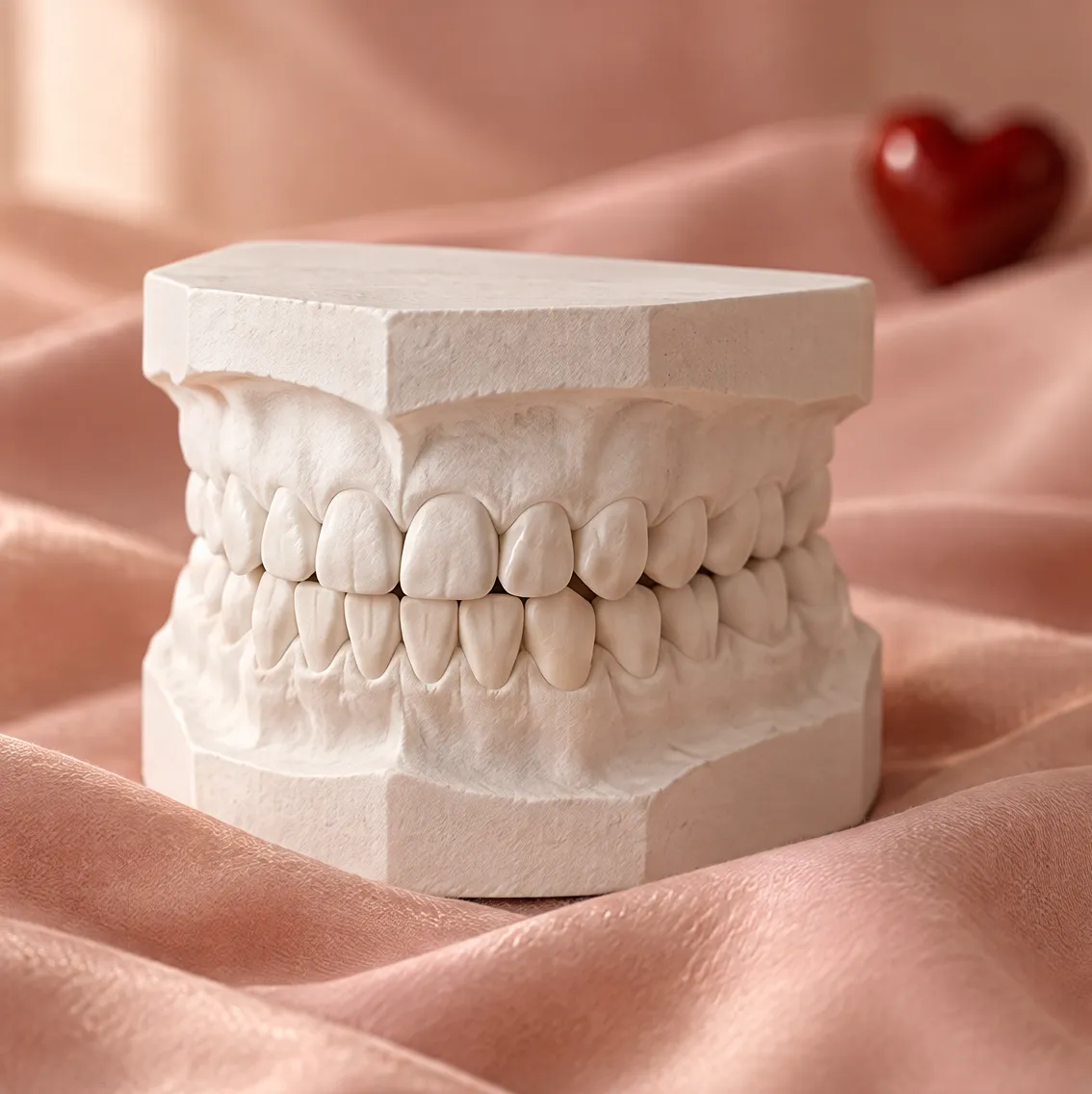
What are crooked teeth?
Crooked teeth are teeth that are twisted, crowded or out of line. Many people feel embarrassed about their smile because of them, and it can affect how they feel in social settings.
Our Blackburn dentists can help find out why your teeth are out of line and which treatment suits you.
Signs of crooked teeth
- Twisted or overlapping teeth
- Crowding, where there is not enough room for all the teeth
- Teeth that have drifted and now look long or gappy
- Baby teeth that have stayed in (retained baby teeth)
What causes crooked teeth?
- Jaws that are too underdeveloped to fit all the teeth
- Gum disease such as periodontitis, which can make teeth drift in unwanted directions
- Extra teeth (supernumerary teeth) or retained baby teeth that crowd the others
Why treat crooked teeth?
Crooked teeth are often seen as a cosmetic problem, but they can affect the health of your whole mouth. They can:
- Make chewing harder
- Make your teeth harder to clean
- Raise your risk of decay and gum disease
- Get in the way of the normal growth and development of the jaw bones
- Contribute to a blocked airway and underdeveloped sinuses, which can add to allergies and sinus problems
- Affect your facial appearance and speech
- Lead to early tooth wear
What can be done about crooked teeth?
For young children who are still growing, a removable orthodontic plate worn for a short time can help develop and widen the jaws and straighten crooked teeth. Some children will still need more treatment later.
In most cases, braces or Invisalign are needed. Sometimes teeth need to be taken out to make room for the others to line up. In some severe cases, adults may need jaw surgery (orthognathic surgery) to improve the profile of the face.
If the teeth are only slightly out of line and only the front teeth are affected, veneers may be an option instead of orthodontics.
How we can help
First, our dentists help you work out whether your crooked teeth need treatment at all. We check everything that affects how your teeth line up, look for the likely causes and treat related problems, such as gum disease, first. Then we plan the treatment that suits you.
