
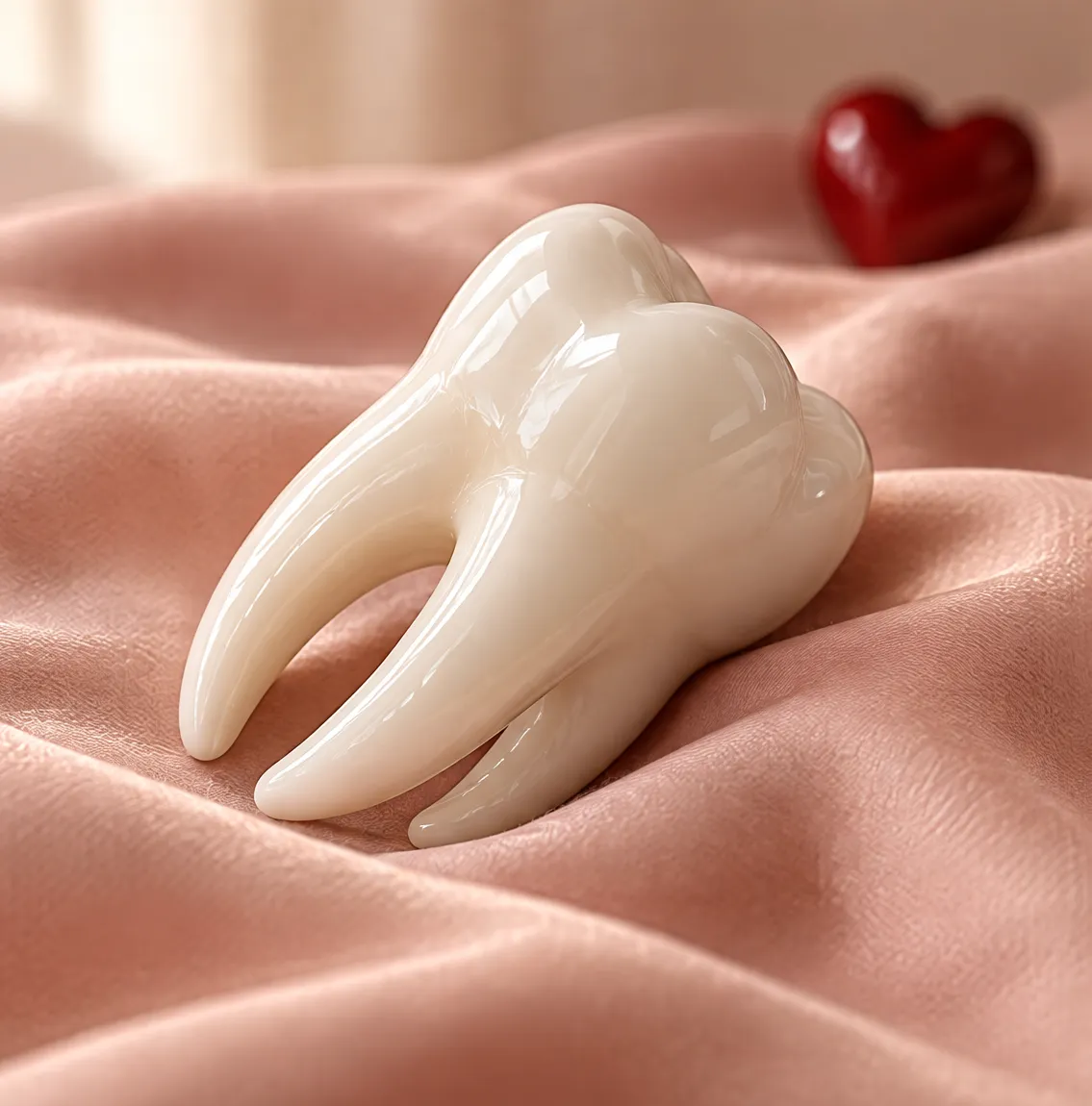
What are wisdom teeth?
Wisdom teeth, also called third molars, usually come through between the late teens and late 20s. Most people have four, although some have fewer and others have more.
Often there isn't enough room at the back of the jaw for wisdom teeth to grow and develop properly. They become impacted, which means they are stuck behind the molars.
Signs of wisdom tooth problems
Most people have one or more of these as their wisdom teeth try to come through:
- Swelling and pain around the wisdom tooth
- Difficulty opening your mouth
- Pain when chewing or swallowing
- Sore lymph glands under the jaw
- Pressure in the jaw and jaw joints
Why wisdom teeth are removed
Some people have little pain as their wisdom teeth come through. Even so, an impacted wisdom tooth often traps food and bacteria under the gum flap around it. This can lead to serious infection and decay, in the wisdom tooth and in the teeth next to it.
Abscesses and bone loss are often found behind otherwise healthy neighbouring teeth. That can mean costly root canal treatment or losing the tooth.
How we can help
It is important to have your wisdom teeth checked, ideally in your late teens, to see whether they are there and how they sit. This is done with an OPG, a full-mouth X-ray, so our dentists can see where your wisdom teeth are and make recommendations.
If your dentist thinks there won't be enough room in your mouth, they may recommend removing the wisdom teeth early as a preventive step, sometimes before they have fully come through. Younger people heal better, and the roots may be only half-formed, which can make removal easier, with fewer complications.
Our dentists are experienced in removing wisdom teeth, including difficult surgical extractions. If you have wisdom teeth pain, or would simply like your wisdom teeth checked, call our Blackburn clinic for an appointment. Afterwards, our day-by-day recovery guide explains what to expect.
