
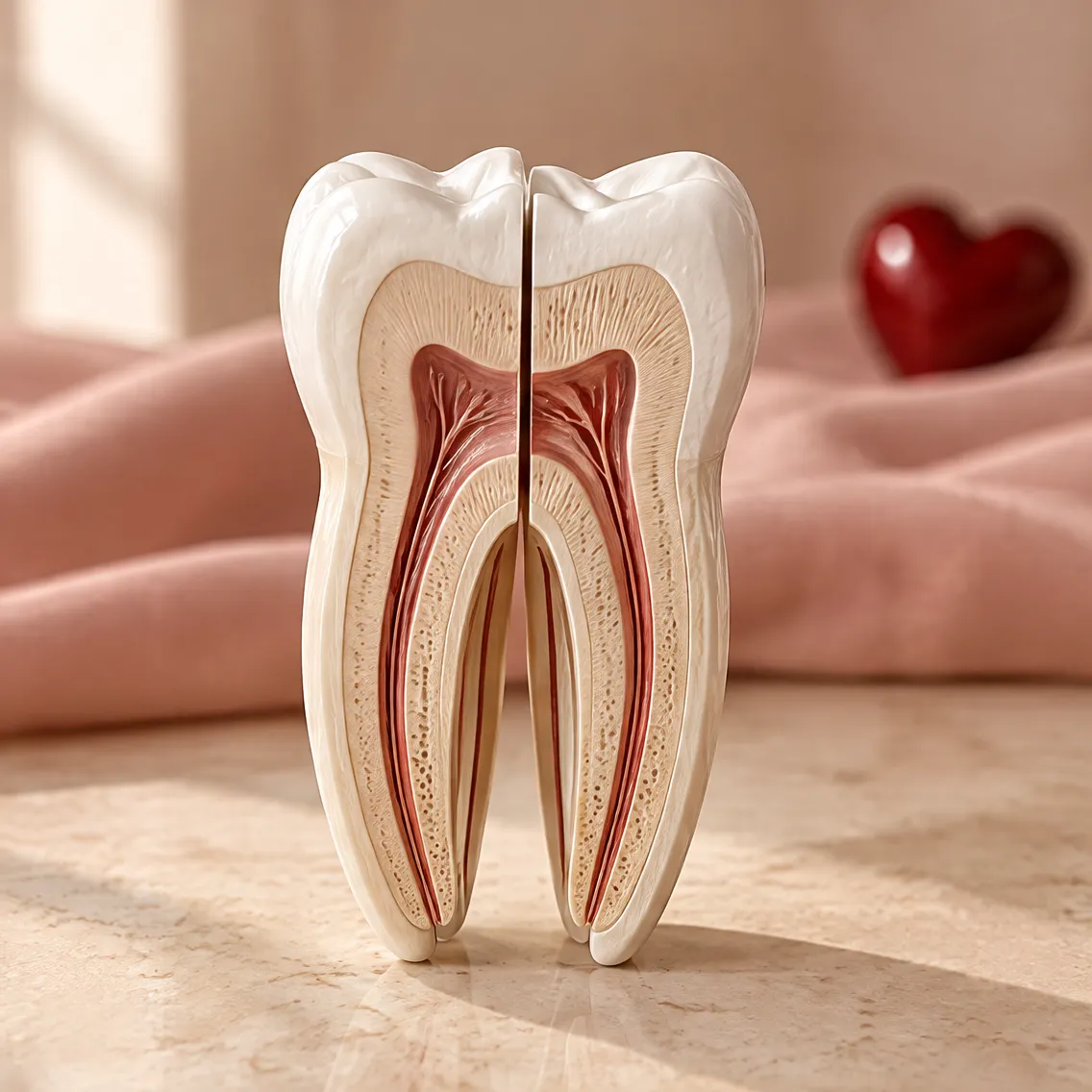
What is tooth decay?
Dental decay, or a dental cavity, is a hole in the tooth. Decay often goes unnoticed until the tooth starts to hurt, so our dentists look for it early at every check-up.
Signs of tooth decay
- Sensitivity to hot, cold or sweet food and drink
- Pain when you chew
- A strong, throbbing toothache, which can mean the decay has reached the nerve
- Swelling in the face
What causes tooth decay?
Decay is caused by bacteria in your mouth that digest food and make acids. These acids eat away at, or dissolve, the tooth and form a hole.
Decay is self-perpetuating: once it starts, it gets worse over time. The bacteria that rot the tooth feed on leftover food and multiply quickly.
How tooth decay is treated
Decay is common. It affects about one third of the world's population. Most decay can be treated, and there are several options:
- A tooth-coloured filling made of resin composite
- A ceramic inlay or onlay
- Root canal therapy, followed by a full-coverage crown
- Taking the tooth out, if the decay has gone too deep
How we can help
As with most health problems, prevention is better than cure. Cavities are hard to spot in their early stages, so it is important to see your dentist every six months for a check-up. Good care at home and healthy eating between check-ups also help limit decay.
Our dentists treat decayed teeth with fillings, onlays, crowns and root canal therapy. If you think you have a cavity, don't wait for it to get worse. Call us or book online at our Blackburn clinic.
Questions
What happens if I leave tooth decay?
Decay gets worse over time. It starts with mild sensitivity, then pain when you chew, and can lead to a throbbing toothache that keeps you up all night. Once decay reaches deep into the tooth, the nerve inside becomes infected and the tooth is badly weakened. To get rid of the pain fully, the tooth needs root canal therapy or removal. Sometimes the infection spreads to other parts of the head and neck, causing facial swelling and breathing problems that need hospital care.
